Black-Jack.team Gamingencyclopedia

Blackjack in Singapore — play free & learn the strategy 2026

A free in-browser blackjack table, basic-strategy guides and independent casino reviews for players in Singapore — everything you need to play smarter and cut the house edge to 0.5%.

178 playing now
Free practice table · No sign-up · Blackjack pays 3:2 21+ Responsible Gaming

Play Blackjack For Real Money At The Best Casinos!

Hand-picked by our editors. These operators hold international licences and are not authorised in Singapore — check the Gambling Control Act 2022 before you play.


Sort by
Spinbetter
4.8 / 5
Welcome bonus
100% up to S$350
Min
S$50
PayPal Card Skrill
Betlabel
4.6 / 5
Welcome bonus
200 free spins
Min
S$50
PayPal Card
22Bet
4.5 / 5
Welcome bonus
150% up to S$550
Min
S$50
Card Skrill Crypto
PlanBet
4.4 / 5
Welcome bonus
S$8 no deposit
Min
S$20
PayPal Card
Supabet
4.2 / 5
Welcome bonus
100 free spins
Min
S$45
Card Skrill

The complete guide to blackjack in Singapore 2026

Blackjack is the most beatable game on the casino floor — with correct basic strategy the house edge drops to about 0.5%, far lower than slots or most table games. In Singapore it is dealt legally at the two integrated resorts, Marina Bay Sands and Resorts World Sentosa, and this site covers everything you need before you sit down: the rules, basic strategy, card counting, the main variants and how casinos are rated.

Start with the free practice table above — it deals a real 6-deck shoe with hit, stand, double, split and insurance, so you can drill your decisions on virtual credits before risking a single dollar. Then dig into our strategy guides and independent casino reviews.
Popular blackjack variants

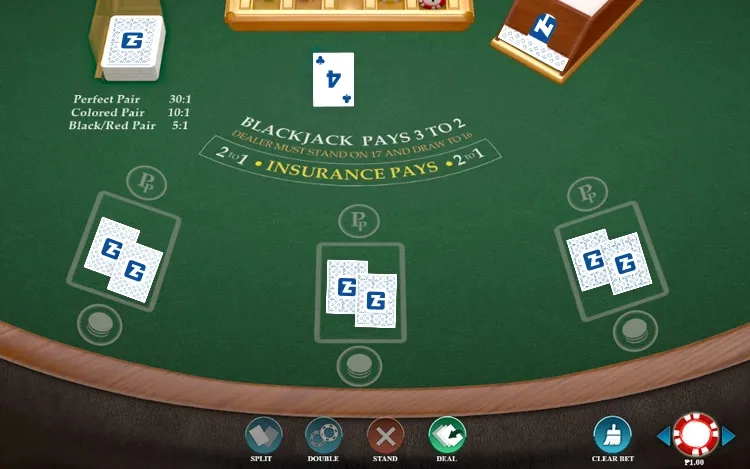
Classic Blackjack

Classic Blackjack

★ 4.8/5
RTP: 99.50%
European Blackjack

European Blackjack

★ 4.7/5
RTP: 99.60%
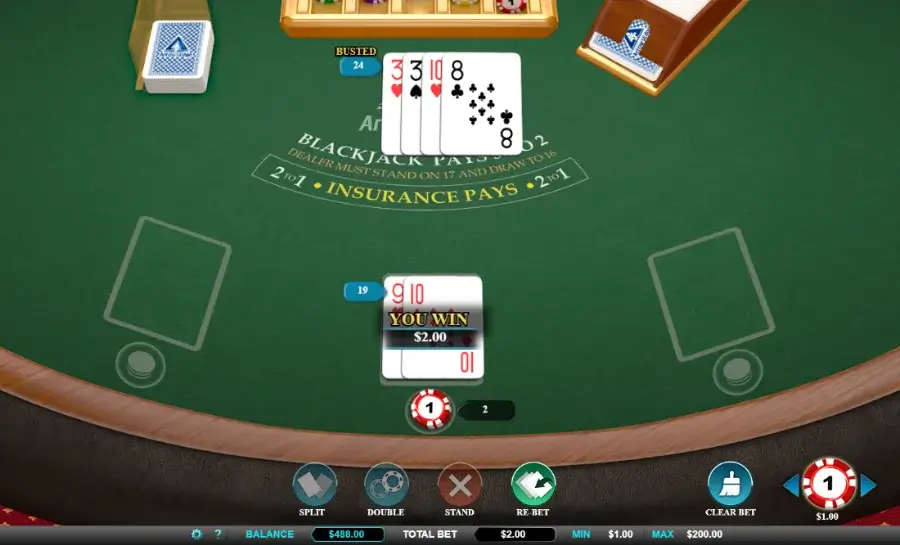
Atlantic City Blackjack

Atlantic City Blackjack

★ 4.6/5
RTP: 99.65%
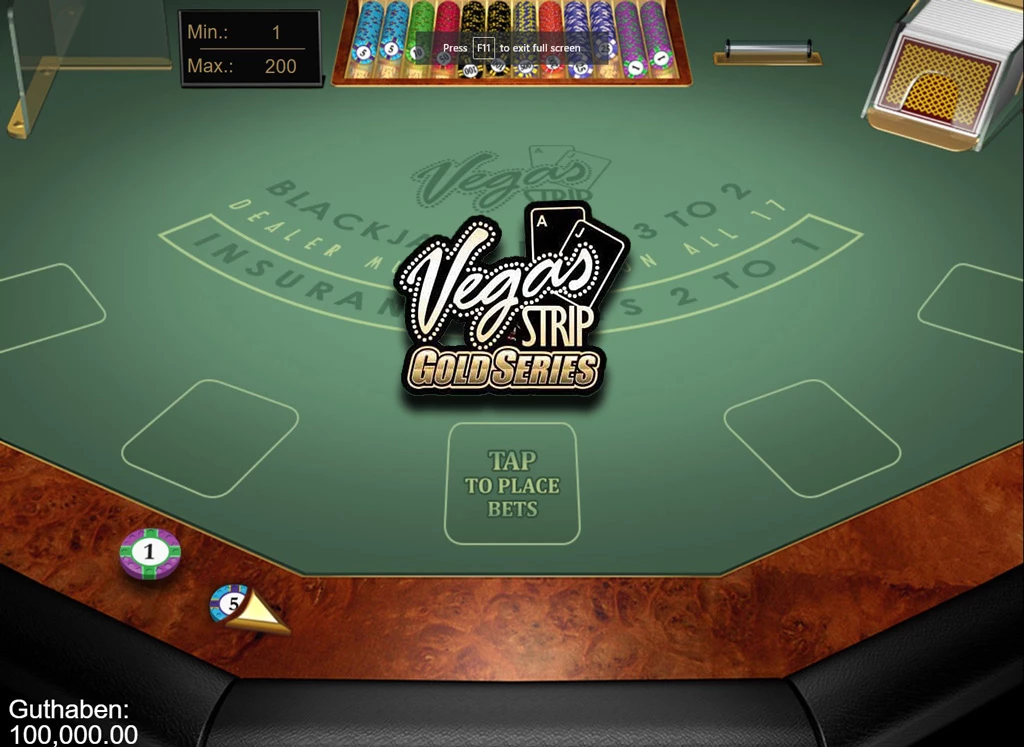
Vegas Strip Blackjack

Vegas Strip Blackjack

★ 4.6/5
RTP: 99.65%

How to play · 5 simple steps

1

Place your bet

Set your wager before any cards are dealt — chip up to the amount you want to risk.

2

Get your cards

You and the dealer each get two cards. Both of yours are face up; one dealer card stays hidden.

3

Read your total

Number cards count their value, face cards are 10, an ace is 1 or 11. Aim for 21 without going over.

4

Make your move

Hit for another card, stand to hold, double down for one card at twice the bet, or split a pair.

5

Dealer plays

The dealer draws to 17 and stands. Beat the dealer without busting and you win — a blackjack pays 3:2.

Blackjack — free practice table
Balance1,000
Bet0
Dealer
··
You
··
Place your bet to deal
6 decks · dealer stands on 17 · blackjack pays 3:2
Practice table with virtual credits only. No real money, no payouts.

Try Live Blackjack with real dealers

HD streaming, real cards, chat with the dealer.

The rules of blackjack

Whatever the variation, the goal never changes — reach 21, or get as close as you can without going over. The hand everyone wants is a blackjack: 21 on your first two cards, an ace plus any ten-value card. The core rules are the same at every table; the finer points of each version are covered on our rules page.

Card values

What you win or lose comes down to the cards the dealer hands you — and the dealer draws cards too.

CardValue
Ace1 or 11 (your choice)
King, queen, jack10
Number cardsface value

The best hand is a blackjack: an ordinary 21 is worth slightly less than a 21 made from two cards (any ten-value card plus an ace). You can also get to 21 with three or four cards — still a good result, but it loses to a true two-card blackjack.

How a round plays

Each round starts with two cards dealt to every player — anything less wouldn’t make sense. The dealer gets the same; tables differ in how many decks they use, and at some the cards are dealt face up (which makes counting easier).

Player actions

With two cards in hand, you decide your next move based on your total:

  • Stand — stop drawing cards; the other players can carry on as they like;
  • Hit — ask for another card (and more if needed) when your total is low;
  • Split — on two matching cards, double your bet and play them as two separate hands;
  • Double down — on any two cards, double your bet, after which you get exactly one more card;
  • Insurance — when the dealer shows an ace, place a side bet against the dealer’s blackjack (not offered in face-up variants);
  • Surrender — bow out of the round voluntarily and take back half your stake (also unavailable in face-up variants).

Once every player stands, the cards are revealed.

How the dealer plays

At most casinos the dealer follows a fixed rule: draw until reaching at least 17, then stop. In variants with a hole card, the dealer shows their first card straight away, so players can make an informed call on insurance.

Settling the round

When everyone stands, the hands are turned over. A player with a natural blackjack always wins unless the dealer matches it. A bust — any total over 21 — is an automatic loss. If both player and dealer reach 21, a two-card natural usually beats a three- or four-card 21. With different totals, the hand closer to 21 wins. With equal totals it’s a push — you get your stake back.

Blackjack glossary

  • Basic strategy — playing only the moves that are mathematically soundest for your exact hand against the dealer’s up-card;
  • Buy-in — buying chips to play, effectively the mandatory stake for a seat at the table1;
  • Blackjack — both the name of the game and a 21-point hand; at most venues a natural pays 3:22;
  • Dealer, also the croupier — the host: shuffles and deals, plays the house hand, and is every player’s only opponent;
  • Stand — the decision to take no more cards this round;
  • Hit — a request for another card; at land-based tables you can even signal it by tapping the felt;
  • Deck — the set of cards in play, usually 523 (no jokers);
  • Soft hand — a hand with an ace that can count as 11 or 1, letting you draw again with no risk of busting;
  • Surrender — leaving the round before the result is settled and getting half your stake back;
  • Bust — any hand of 22 or more, an automatic loss;
  • Card counting — a semi-legal4 tactic of tracking the cards already dealt: when the shoe is rich in aces and tens, the odds tilt towards the player;
  • House edge — the casino’s mathematically calculated advantage, the average share5 of money wagered that ends up as casino profit;
  • Split — on two matching cards, double the bet and play them as two hands;
  • Hand — your set of cards, whose total you try to push as close to 21 as possible without going over;
  • Insurance — a side bet of half your main stake that the dealer doesn’t have blackjack, offered when the dealer shows an ace6;
  • Hard hand — a hand without an ace worth 12 or more (or one where the ace counts as 1);
  • Ace — the only card with two values (1 or 11), essential for a two-card blackjack;
  • Double — a move on two cards after which the dealer gives you exactly one more card;
  • Chip — a token with a real-money value: in blackjack you play with chips, swapping cash for them at the buy-in.

Every term is broken down in full in our blackjack glossary.

Blackjack variations

Blackjack comes in plenty of variants: they may look only slightly different, but those differences always shape how a hand plays — and sometimes the tactics you pick. Below are the most common tables, plus a few you can try for free right now.

More blackjack variants

Single Deck Blackjack

Single Deck Blackjack

★ 4.9/5
RTP: 99.80%
Double Exposure

Double Exposure

★ 4.5/5
RTP: 99.30%
Blackjack Switch

Blackjack Switch

★ 4.5/5
RTP: 99.40%
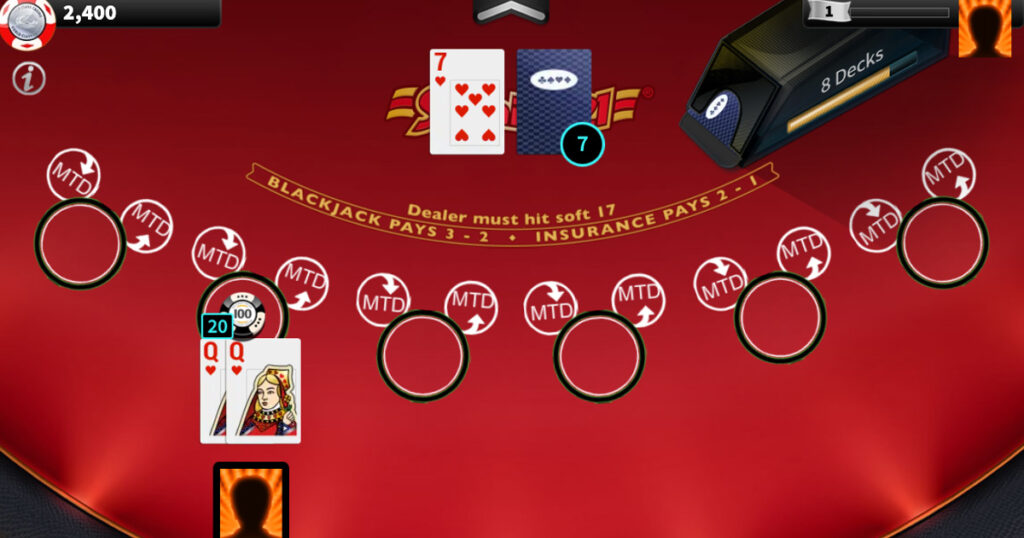
Spanish 21

Spanish 21

★ 4.4/5
RTP: 99.40%

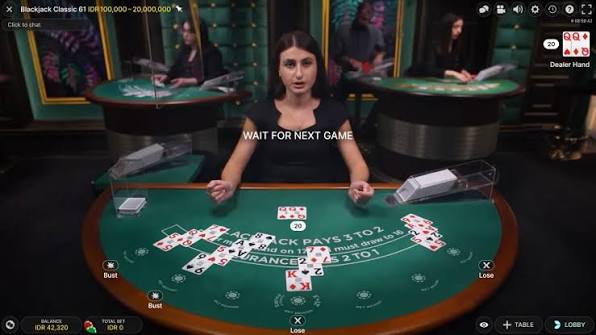
Live

Live blackjack isn’t a separate rule set but a way of running the game: no random number generator, just a real dealer dealing physical cards in a studio. Players follow the action on a live video stream that recreates the feel of a land-based casino. The format is popular precisely for that realism.

Classic

The classic variant uses eight 52-card decks (no jokers). The dealer has no say in how the hand is played: they must draw on 16 or less and stand on a hard 17 or higher. Only a soft 17 varies — at an S17 table the dealer stands on it, at an H17 table they take one more card.

Pontoon

Here a hand can’t be worth less than 15, but players are allowed not just to split but to re-split. A special rule: the most valuable hand is a five-card 21, which pays 2:1.

Vegas Strip

Played with four decks; the dealer stops as soon as they reach 17. You can split up to four hands per player.

European

The dealer takes a second card only after every player has finished acting. If the dealer makes blackjack, the extra bets (doubles and splits) are returned to players.

Switch

A variant where you play two hands at once: the top cards can be swapped between them — as long as you double your bet.

Perfect Pairs

Essentially classic blackjack with an extra bet: you can wager that your first two cards will be a pair.

Atlantic City

Classic rules on eight decks. You can split up to four hands, but two aces can’t be split.

RTP and house edge by variation

RTP (return to player) is the share of money wagered that, on average, comes back to players as winnings. You only reach the figures in the table over the long run: a single session can run hot or cold. The house edge and RTP always add up to 100%.

Blackjack variantHouse edgeRTP
Classic0.13%99.87%
Switch Blackjack0.16%99.84%
Vegas Strip Blackjack0.35%99.65%
Atlantic City Blackjack0.36%99.64%
Spanish 210.38%99.62%
Bonus Blackjack0.39%99.61%
Blackjack Surrender0.39%99.61%
European0.42%99.58%
High Streak Blackjack0.42%99.58%

Some providers and casinos quietly lower a blackjack title’s RTP compared with the same rules at a land-based table — always read the rules card first.

Real money vs free play

RNG variants usually come with a demo mode — you play with virtual credits the casino tops up without limit. Live blackjack has no free mode.

Real moneyDemo mode
Prosreal winnings on the line;
access to bonuses and promos
no risk to your money;
great for practice;
often no sign-up needed
Consrisk of losing your own money;
the game can be addictive
winnings can’t be withdrawn;
bonuses unavailable

If you’re new to blackjack or to a particular variant, start with free play; once you’ve built up some experience, move on to real-money stakes.

Basic strategy, tools and bankroll management

Basic strategy is a chart that tells you the optimal move for your hand against the dealer’s up-card. Seasoned players know it by heart, but the specific rule set matters too. Beginners should start with classic (American) rules and basic strategy. A few tips beyond the chart:

  • insurance has a poor return — best avoided;
  • with a strong hand (10–11 points while the dealer shows a 2 through 6), double down — a win is likely, so make the most of the spot;
  • two matching high cards are often worth splitting: two eights total just 16 with a high bust risk, while apart they each keep a shot at a good hand; two ten-value cards make a solid 20 together, but splitting opens the door to a natural blackjack.

Before you play, get to know the tools (the moves available) in your specific version — that’s exactly what demo mode is for: at a free table you’ll see clearly where each action leads. In real-money play, an emotional decision or a mis-click costs you. Watch the rule details too: you benefit when double-after-split is allowed, when the dealer stands on soft 17, and when there’s a cap on how many cards a hand can take.

Sound bankroll management means splitting your funds into many base bets — that lets you ride out a long losing streak and, when needed, double down and split into every hand the rules allow. You can size your bets with a bankroll system, such as raising the stake after a loss to win it back (as in the Martingale) — keeping in mind that no such scheme gets around the casino’s mathematical edge.

Best blackjack casinos: what to check in 2026

Dozens of casinos offer blackjack online, but your job is to pick the one with conditions that actually favour the player. The single biggest factor isn’t the welcome bonus — it’s the payout on a natural. Here’s what we weigh before rating a site:

  • Licence — in Singapore, gambling is regulated by the Gambling Regulatory Authority (GRA) under the Gambling Control Act 2022 and the Casino Control Act. Casino blackjack is dealt legally at the two integrated resorts, Marina Bay Sands and Resorts World Sentosa (21+), and the only licensed remote operator is Singapore Pools, which offers 4D, Toto and sports betting but no online casino. There is no licensed online blackjack in Singapore, and gambling with an unlicensed online operator is an offence for the player too — a fine of up to S$10,000 and/or up to six months’ jail. Elsewhere, look for a strict regulator such as the MGA or UKGC rather than a bare offshore licence.
  • Withdrawal speed — the best operators clear e-wallet and crypto payouts within 15 minutes, while card and bank methods can still mean a 1–3 business-day wait.
  • Table availability — some sites are almost entirely about slots and offer only a token blackjack table or two.
  • 3:2 vs 6:5 payout — this is the dealbreaker. A natural blackjack should pay 3:2 (win S$15 on a S$10 bet). A growing number of tables quietly switch to 6:5 (just S$12 on the same hand), which roughly triples the house edge. Avoid 6:5 tables — a casino full of them tells you everything about how it treats players.

This site lists only casinos that pass these checks and keep proper 3:2 tables available.

How we pick casinos: our rating methodology

Every operator says their casino is the best, but they can’t all be right. We rank sites on objective, blackjack-specific criteria rather than headline marketing:

  • Licence and its standing — a permit from a strict regulator (MGA, UKGC) ranks above a bare offshore licence.
  • House edge on the actual rules offered — whether the dealer stands on 17, the number of decks, whether you can double after a split and surrender. Each rule shifts the edge7.
  • 3:2 payout availability — tables paying 6:5 are penalised heavily in our scoring.
  • RTP and certification — the long-run return on the games on offer, verified by independent labs8.
  • Withdrawal speed and support in English, ideally round the clock.

Our rating is a shortcut: it saves you the trial and error of finding out the hard way that a site’s only blackjack table pays 6:5. The full breakdown of our criteria is on the how we rate casinos page.

Welcome bonuses: watch the wagering and game weighting

A tempting welcome bonus is often what tips new players towards a site — but for a blackjack fan it deserves extra scrutiny, because blackjack rarely helps you clear it. Weigh every part of the offer, not just the headline figure.

The wagering requirement9 is how many times you must play the bonus through before any of it can be withdrawn. A S$100 bonus at ×40 wagering means S$4,000 in qualifying bets. Miss the deadline in the terms — often 7 days — and the bonus and any winnings from it are voided.

The catch that’s unique to our game: game weighting. Slots usually count 100% towards wagering, but blackjack typically contributes just 10% — and sometimes 0%. At 10% weighting, that same S$4,000 requirement balloons to S$40,000 in blackjack bets. Some operators exclude blackjack from bonus play entirely, or cap your maximum bet while a bonus is active.

What ×30, ×40, ×50 wagering means in practice

Wagering shows how many times you have to play through the bonus before you can cash out the bonus balance. Examples for a S$100 bonus, by multiplier — and what the same target looks like once a typical 10% blackjack weighting kicks in:

  • ×30 wagering: S$100 × 30 = S$3,000 in slot bets, or about S$30,000 in blackjack bets;
  • ×40 wagering: S$100 × 40 = S$4,000 in slot bets, or about S$40,000 in blackjack bets;
  • ×50 wagering: S$100 × 50 = S$5,000 in slot bets, or about S$50,000 in blackjack bets.

The honest takeaway: a “blackjack bonus” is often a slots bonus in disguise. If you mostly play blackjack, a smaller bonus with fair weighting — or no bonus and a clean bankroll — usually beats a giant offer you’ll never realistically clear.

Bonuses and how to choose a casino

A bonus programme weighs heavily on which site you pick, but look at the real playthrough terms rather than the biggest headline figure:

  • can the bonus be cleared on blackjack — spoiler: on live blackjack it usually can’t be at all, or only at a reduced rate10, so you’ll have to play RNG tables;
  • how high is the wagering — the bonus has to be played through a set number of times before withdrawal: ×30–40 is still acceptable, while ×45 and up most likely means you’ll never turn the bonus into real money;
  • how much time you get to clear it — under 7 days (the standard for a welcome bonus) and you risk simply running out of time.

A bonus isn’t the only thing to weigh when choosing a casino. At a minimum, check a few more things:

  • licence — valid on the day you play; licences such as Kahnawake, Anjouan and even Curaçao largely leave you relying on the operator’s good faith — and no international licence authorises an operator to serve players in Singapore;
  • reputation — if neutral forums praise a site more than they criticise it, your odds of being paid in full and on time go up;
  • convenient payments — the casino should support the methods you actually use, credit deposits and clear withdrawals as fast as possible (ideally instantly) and without fees;
  • localisation — favour sites that show your balance in S$ and offer responsive support in English.

And don’t forget a broad table selection: since you’re reading a dedicated blackjack site, choose a casino that offers both live blackjack and RNG (including a demo mode) across a range of rules. Exactly how we weigh these factors is set out on the how we rate casinos page. And however good the table, keep your budget in check and play responsibly — you need to be 21 or older, and the NCPG National Problem Gambling Helpline (1800-6-668-668) is there if gambling stops being fun.

Frequently asked questions

Is there a reliable strategy that wins at blackjack consistently?
In any gambling game the outcome depends first on luck, but in blackjack you decide for yourself whether more risk is worth it or whether to stand. Basic strategy points to the moves that improve your odds, but it offers no guarantee that you will win.
Is RNG blackjack fair?
Reputable casinos and providers certify their algorithms with independent bodies — eCOGRA, GLI, iTech Labs. Each game is run tens of thousands, and sometimes up to a million, times to confirm results are fully random and unpredictable.
Do I pay tax on blackjack winnings in Singapore?
No — casual gambling winnings are not taxed in Singapore, so there is nothing to declare. It is still worth keeping your own record of wins and losses.
What is the minimum bet in blackjack?
There is no universal figure — it depends on the table and the casino's policy. As a rule, expect a minimum bet somewhere around S$1 to S$5.
Can I play blackjack online without registering?
Yes, but demo mode is only available on RNG blackjack. Live blackjack with a real dealer never offers a free mode.
Why do casinos require player verification?
A responsible casino must at minimum keep minors out. In Singapore the legal gambling age is 21: the casinos at Marina Bay Sands and Resorts World Sentosa check ID at the entrance, and citizens and permanent residents also pay an entry levy of S$150 per 24 hours or S$3,000 a year. Online, identity checks serve the same purpose — confirming that the player is of age and is who they say they are.
Can I play online blackjack with cryptocurrency?
Generally yes, but it depends on the casino: some let you hold an account denominated in crypto, others allow only a fiat balance topped up with crypto (auto-converted), and some still work with fiat only.
Why is blackjack so popular?
Classic blackjack rules are simple enough to explain to a complete beginner in a minute, yet the outcome depends not only on luck but on the decisions the player makes.

Notes

  1. A buy-in isn't a final commitment: you can leave the table at any point and exchange your chips back for cash.
  2. On a S$10 bet you collect S$15 in winnings plus your stake — S$25 in all.
  3. The game can be dealt from a single deck or several — four or even eight, for example.
  4. Many venues don't ban card counting outright, but they frown on the practice and may move an obviously skilled player off the table on some pretext.
  5. Depending on the rule set and the specific casino, the blackjack house edge ranges from about 0.2% to 5% of the money wagered.
  6. If the dealer does turn over a blackjack, insurance pays 2:1; on any other outcome the insurance bet loses.
  7. House edge — the casino's built-in mathematical advantage, the share of each bet it expects to keep over the long run. With basic strategy on good 3:2 rules the blackjack house edge is around 0.5%; switching the natural payout to 6:5 raises it by roughly 1.4 percentage points.
  8. RTP (Return to Player) — the theoretical share of bets returned to players over the long run, the mirror image of the house edge. An RTP of 99.5% corresponds to a 0.5% house edge: out of every S$100 wagered, about S$99.50 is returned on average.
  9. Wagering (playthrough) — the requirement to bet the bonus amount a set number of times before withdrawal. ×40 wagering on a S$100 bonus means S$4,000 in total bets — and far more if blackjack contributes only 10% toward the requirement.
  10. Only about 5–20% of the money wagered on blackjack typically counts toward clearing a bonus.

Choose your language